License Renewal
Cosmetology Continuing Education by State
Which States Require Cosmetology Continuing Education?
Cosmetology continuing education is required to renew your license in 15 jurisdictions, from 4 hours in Texas, Nevada and South Carolina to 10 hours every two years in Florida and 14 in Illinois. California, Hawaii, Montana, Pennsylvania and West Virginia state that no continuing education is required. Check your own state's renewal rules on its license page before your expiration date.
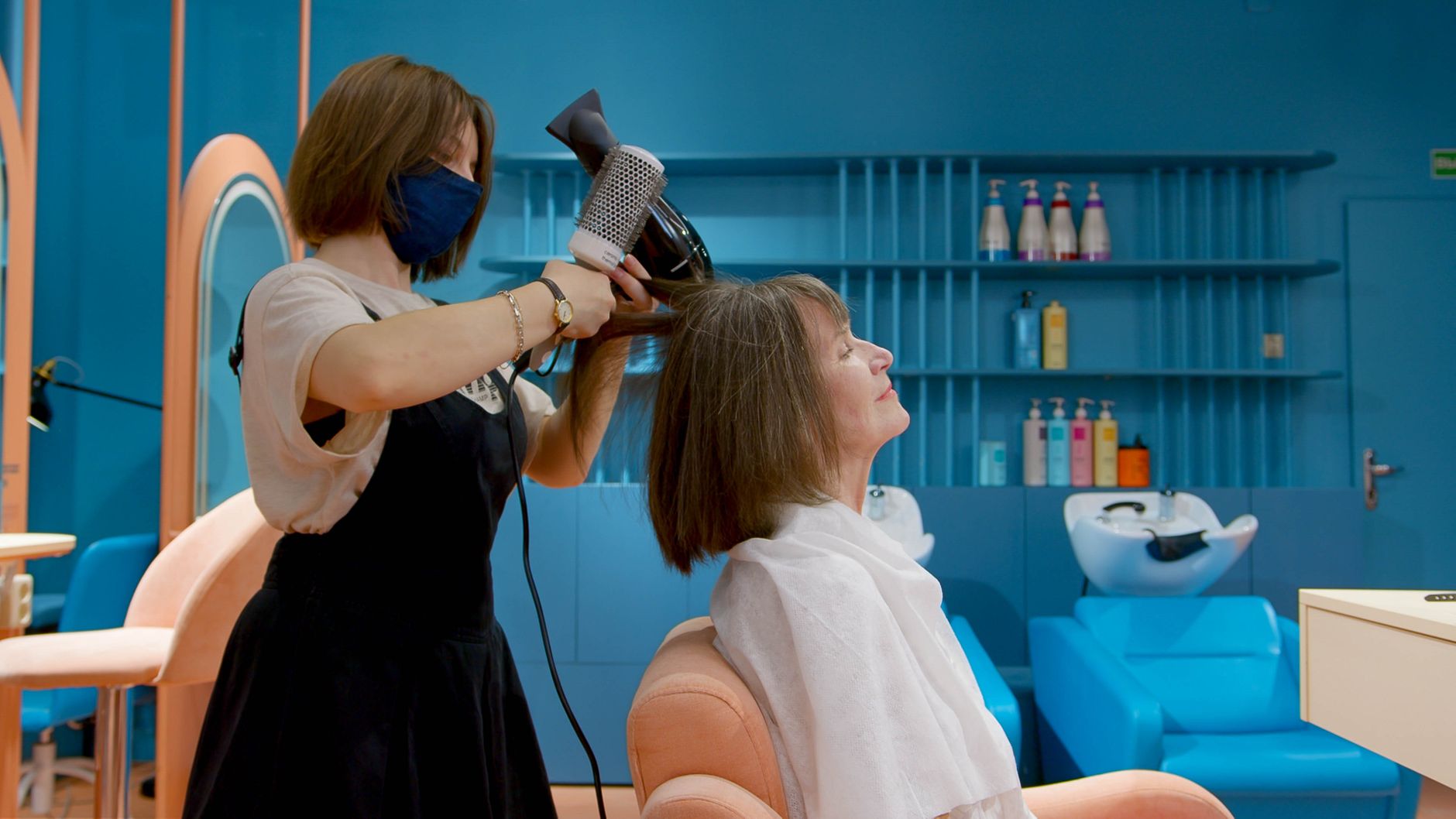
Cosmetology Continuing Education Rules by State
Cosmetology continuing education (CE) is the coursework some states require before you can renew your license. It’s separate from the school hours that got you licensed. CE is short, measured in a handful of hours per renewal cycle, and it usually focuses on safety, sanitation and your state’s laws.
Of the 52 boards read in November 2026, 15 tie renewal to continuing education or a required course: DC, Florida, Georgia, Illinois, Iowa, Maryland, Minnesota, Mississippi, Nebraska, Nevada, North Carolina, North Dakota, Ohio, South Carolina and Texas. Five state plainly that no CE is required: California, Hawaii, Montana, Pennsylvania and West Virginia.
| State | Renewal cycle | CE required | What it covers |
|---|---|---|---|
| Florida | Every 2 years | 10 hours | HIV/AIDS, sanitation and sterilization, OSHA, workers’ compensation, laws and rules, chemical makeup, environmental issues |
| Illinois | Every 2 years | 14 hours | Includes a 1-hour domestic violence and sexual assault awareness course at first renewal |
| North Carolina | Every 3 years | 8 hours a year | Up to 24 hours may be done any time in the cycle |
| Nebraska | Every 2 years | 8 hours | At least 4 on performing the skills of the profession |
| Ohio | Every 2 years | Up to 8 hours | 2 hours safety and infection control, 1 hour law and rules |
| DC | Every 2 years | 6 hours | 2 health, safety and welfare, 4 electives; waived at first renewal |
| Iowa | Every 2 years | 6 hours | Iowa law, rules and infection control; first renewal exempt |
| Maryland | Every 2 years | 6 hours | 2 required-topic, 4 elective, from January 1, 2026; one-time 1-hour domestic violence course |
| Georgia | Every 2 years | 5 hours | 3 hours a board-approved health and safety course; first renewal exempt |
| Texas | Every 2 years | 4 hours | 1 sanitation, 1 human trafficking awareness, 2 elective |
| South Carolina | Every 2 years | 4 hours | Board-approved CE |
| Nevada | Every 2 or 4 years | 4 hours | Board-approved infection control and prevention |
| Minnesota | Every 3 years | 4 hours plus a 4-credit-hour course | Completed within the 3 years before renewal |
| Mississippi | Every 2 years | Required courses | Human and labor trafficking and domestic violence, for renewals after April 1, 2026 |
| North Dakota | Every year | Set by board rule | Topics set by board rule |
The full renewal terms for every state, including fees, are on each state’s page under the cosmetology license hub.
Florida Cosmetology Continuing Education
Florida is the state most people search for, and its rule is the most detailed. You need 10 hours of continuing education each two-year cycle, and you don’t pick the topics: the required topics are HIV/AIDS, sanitation and sterilization, OSHA, workers’ compensation, laws and rules, chemical makeup and environmental issues. Florida caps original licensing and renewal fees at $50 under s. 477.026(1)(a), F.S., and the application states the current fee.
Plan your Florida CE before the renewal deadline, not on the last night. A course that doesn’t cover the required topics won’t count toward the 10 hours. The Florida license page links the board.
Texas Cosmetology Renewal
Texas changed its renewal rules on September 1, 2025. Every two years you now complete 4 hours of department-approved CE: 1 hour of sanitation, 1 hour of human trafficking awareness and 2 elective hours. If you’ve held your license 15 years or more, you need 2 hours. TDLR approves the providers, so a course from an unapproved provider doesn’t count. The Texas license page has the full renewal rules.
South Carolina and Iowa
South Carolina licenses expire every two years, ending March 10 of odd years. Renewal costs $52 and needs 4 hours of board-approved CE. The exemption is narrow: after your first renewal, only long-term licensees aged 50 or 60 and over who meet the statute’s tenure tests skip CE. See the South Carolina license page.
Iowa runs an April 1 to March 31 two-year cycle and requires 6 hours with one active license, including Iowa law, rules and infection control. Your first renewal is exempt. See the Iowa license page.
The Highest-Hour States: Illinois, North Carolina and Nebraska
Illinois asks for the most per cycle: 14 hours of continuing education every two years. Your first renewal also includes a one-hour domestic violence and sexual assault awareness course. See the Illinois license page.
North Carolina renews every three years by October 1 and counts CE by the year: 8 hours a year, and you can complete up to 24 hours any time in the cycle. That flexibility lets you take one longer class instead of three short ones.
Nebraska renews every two years by December 31 of even-numbered years and wants 8 hours, at least 4 of them on performing the skills of the profession. So at least half your hours go to technique, not just safety and law.
Minnesota works on a three-year cycle: 4 hours of continuing education plus a 4-credit-hour course, both within the 3 years before renewal.
Cosmetology License Renewal Rules by State
| State | Continuing education | Renewal, as the board states it |
|---|---|---|
| Alabama renewal rules | Every 2 years; personal licenses expire on the last day of the licensee's birth month in odd-numbered years; $100 renewal fee | |
| Alaska renewal rules | Every 2 years; $180 biennial renewal fee | |
| Arizona renewal rules | Every 2 years on or before the licensee's birthday; renewal fee up to $80 | |
| Arkansas renewal rules | Every 2 years on the licensee's birthday; $50 biennial renewal fee (full fee restored January 1, 2026 after a 2024-2025 reduction under Act 114 of 2023) | |
| California renewal rules | No continuing education | Every 2 years; $50 renewal fee; no continuing education required |
| Colorado renewal rules | Every 2 years; individual licenses expire March 31 of even-numbered years | |
| Connecticut renewal rules | Every 2 years; $100 | |
| Delaware renewal rules | Every 2 years; cosmetologist licenses expire October 31 of even years | |
| District of Columbia renewal rules | Continuing education or a course | Every 2 years; cosmetology and specialty licenses expire April 15 of even years; $110; 6 CE hours (2 health, safety and welfare plus 4 electives), waived for the first renewal |
| Florida renewal rules | Continuing education or a course | Biennial; 10 hours of continuing education, including HIV/AIDS, sanitation and sterilization, OSHA, workers' compensation, laws and rules, chemical makeup and environmental issues |
| Georgia renewal rules | Continuing education or a course | Every 2 years (expires March 31 of even-numbered years); 5 hours of continuing education, 3 of them a board-approved health and safety course; first renewal is exempt |
| Hawaii renewal rules | No continuing education | Every 2 years (expires December 31 of odd-numbered years); $146 active renewal; no continuing education required |
| Idaho renewal rules | Renewal fee up to $30 per year; annual fees may be aggregated for biennial licensure | |
| Illinois renewal rules | Continuing education or a course | Every 2 years; 14 hours of continuing education, including a one-hour domestic violence and sexual assault awareness course at the first renewal |
| Indiana renewal rules | Every 4 years; $40 renewal fee | |
| Iowa renewal rules | Continuing education or a course | Every 2 years (April 1 to March 31 cycle); 6 hours of continuing education with one active license, including Iowa law, rules and infection control; first renewal exempt |
| Kansas renewal rules | Every 2 years, with a written renewal exam on laws, sanitation and safety; $50 renewal fee | |
| Kentucky renewal rules | Annually, July 1 through July 31; $100 renewal fee | |
| Louisiana renewal rules | Annually; $35 renewal fee | |
| Maryland renewal rules | Continuing education or a course | Every 2 years; 6 hours of continuing education (2 required-topic, 4 elective) effective January 1, 2026; one-time 1-hour domestic violence awareness course |
| Massachusetts renewal rules | Every 2 years on the licensee's birthday; $68 | |
| Michigan renewal rules | Every 2 years; $48 | |
| Minnesota renewal rules | Continuing education or a course | Every 3 years; 4 hours of continuing education plus a 4-credit-hour course within the 3 years before renewal |
| Mississippi renewal rules | Continuing education or a course | Every 2 years; $50 (no renewal fee at age 70 or older); renewals after April 1, 2026 and initial renewals require courses on human/labor trafficking and domestic violence |
| Missouri renewal rules | Every 2 years; licenses expire September 30 of each odd-numbered year; $60 | |
| Montana renewal rules | No continuing education | Every 2 years, January 2 to March 1; $100 renewal fee; no continuing education required |
| Nebraska renewal rules | Continuing education or a course | Every 2 years, by December 31 of even-numbered years; 8 hours of continuing education, at least 4 on performing the skills of the profession |
| Nevada renewal rules | Continuing education or a course | Every 2 or 4 years on the licensee's birthday; $70 (2 years) or $140 (4 years); 4 hours of Board-approved infection control and prevention instruction before each renewal (NRS 644A.520) |
| New Hampshire renewal rules | Expires under RSA 310:8; $55 renewal fee | |
| New Jersey renewal rules | Every 2 years; $90 biennial renewal | |
| New Mexico renewal rules | $100 renewal; licenses expire on the last day of the birth month | |
| New York renewal rules | Four-year license term; $40 renewal | |
| North Carolina renewal rules | Continuing education or a course | Every 3 years by October 1; 8 hours of continuing education per year (up to 24 hours may be completed any time in the cycle) |
| North Dakota renewal rules | Continuing education or a course | Annually by December 31; continuing education set by Board rule |
| Ohio renewal rules | Continuing education or a course | Every 2 years; up to 8 hours of continuing education per cycle, including 2 hours of safety and infection control and 1 hour of law and rules (R.C. 4713.09) |
| Oklahoma renewal rules | Annually by the last day of the birth month (two-year renewal also available) | |
| Oregon renewal rules | Every 2 years ($65); attestation of current bloodborne pathogens training | |
| Pennsylvania renewal rules | No continuing education | Every 2 years ($97); no continuing education requirement |
| Rhode Island renewal rules | Every 2 years; licenses expire September 30 on an odd-even cycle by license number | |
| South Carolina renewal rules | Continuing education or a course | Every 2 years, ending March 10 of odd years; $52 renewal fee; 4 hours of board-approved CE (exempt after the first renewal only for long-term licensees aged 50 or 60 and over who meet the statute's tenure tests) |
| South Dakota renewal rules | Annually on or before the licensee's birth date; $45 renewal fee; $30 late penalty | |
| Tennessee renewal rules | Every 2 years; $60 renewal fee | |
| Texas renewal rules | Continuing education or a course | Every 2 years; 4 hours of department-approved CE (1 sanitation, 1 human trafficking awareness, 2 elective) since September 1, 2025; 2 hours for licensees of 15 years or more |
| Utah renewal rules | Licenses expire September 30 of odd years; $52.00 renewal fee | |
| Vermont renewal rules | Every 2 years (fixed biennial period) | |
| Virginia renewal rules | Every 2 years (expires two years from the last day of the month issued) | |
| Washington renewal rules | Every 2 years | |
| West Virginia renewal rules | No continuing education | Annually, due January 1; continuing education no longer required since May 8, 2022 (HB 2325) |
| Wisconsin renewal rules | Every 2 years, by March 31 of odd-numbered years; licensee must certify review of the board's regulatory digest (§ 454.06(8)) | |
| Wyoming renewal rules | First license runs one year; then every 2 years in the birth month |
From each state board's renewal rules, checked November 2026. A blank continuing education cell means the board's renewal text names a cycle and fee only.
States With Renewal Tests or Training Instead of CE Hours
A few states attach something other than classic CE hours to renewal:
- Kansas renews every two years with a written renewal exam on laws, sanitation and safety, and a $50 renewal fee.
- Oregon renews every two years for $65 and asks you to attest to current bloodborne pathogens training.
- Wisconsin renews by March 31 of odd-numbered years, and you certify that you’ve reviewed the board’s regulatory digest.
- Mississippi requires courses on human and labor trafficking and domestic violence for renewals after April 1, 2026, and charges no renewal fee at age 70 or older.
States That Say No Continuing Education Is Required
Five boards state plainly that cosmetology renewal carries no CE requirement:
| State | Renewal cycle | Renewal fee |
|---|---|---|
| California | Every 2 years | $50 |
| Hawaii | Every 2 years | $146 active renewal |
| Montana | Every 2 years | $100 |
| Pennsylvania | Every 2 years | $97 |
| West Virginia | Every year | $35 |
West Virginia dropped its CE requirement on May 8, 2022 (HB 2325). Other boards’ renewal terms list a fee and a deadline, such as Alabama’s $100 every two years or New York’s $40 for a four-year term.
How Often You Renew
Renewal cycles vary as much as CE does, and missing a deadline costs money: South Dakota adds a $30 late penalty, and Maryland charges $56 for a late renewal against $28 on time. Most states renew every two years, but:
- Every year: Kentucky (July 1 through July 31), Louisiana, North Dakota, Oklahoma, South Dakota and West Virginia.
- Every three years: Minnesota and North Carolina.
- Every four years: Indiana and New York, and Nevada offers a four-year option.
Many boards tie the date to your birthday or birth month, as Alabama, Arizona, Arkansas and Oklahoma do. Put your expiration date in your calendar the day you’re licensed.
Renewal Fees You Should Budget for
CE courses cost money, and so does the renewal itself. Budget for both. Here are renewal fees from the boards’ own terms:
- Alabama: $100 every two years, with personal licenses expiring on the last day of your birth month in odd-numbered years.
- Alaska: $180 every two years.
- Arkansas: $50 every two years on your birthday. The full fee came back on January 1, 2026 after a 2024-2025 reduction under Act 114 of 2023.
- DC: $110 every two years, with licenses expiring April 15 of even years.
- Kentucky: $100 every year, renewed July 1 through July 31.
- Nevada: $70 for two years or $140 for four.
- New Jersey: $90 every two years.
If you hold a license in more than one state, each board runs its own cycle and its own CE rules. Hours you complete for one state count in another only when that board accepts them.
Choosing CE That Pays Off
The hours are a requirement, and they can also be a low-cost way to add a skill clients pay more for. Once you’ve covered your state’s required topics, use elective hours on color, cutting or a specialty you want to sell. Keep your certificates of completion with your license records, so you can show what you took if your board asks.
If you haven’t started yet, CE comes years after school. Your first step is a program that meets your state’s hours. In Florida, Robert Morgan Educational Center and Technical College and Florida Gateway College run 1,200-hour programs that match the state’s requirement. In Texas, start with the Texas cosmetology school ranking. In Illinois, Shawnee Community College offers a public option, and in Iowa, La’ James International College in Johnston runs 1,550 hours in about 10 to 11 months.
Read how to become a cosmetologist for the full path, check your hours with the license hours checker, and compare schools in the best cosmetology schools ranking.
Frequently Asked Questions
How Many CE Hours Do Cosmetologists Need in Florida?
10 hours each two-year renewal cycle. The Florida board's required topics include HIV/AIDS, sanitation and sterilization, OSHA, workers' compensation, laws and rules, chemical makeup and environmental issues.
What Do You Need to Renew a Texas Cosmetology License?
Texas renews every two years and, since September 1, 2025, requires 4 hours of department-approved continuing education: 1 hour of sanitation, 1 hour of human trafficking awareness and 2 elective hours. Licensees of 15 years or more need 2 hours.
Does South Carolina Require Cosmetology Continuing Education?
Yes. South Carolina renews every two years, ending March 10 of odd years, with a $52 renewal fee and 4 hours of board-approved continuing education. Long-term licensees aged 50 or 60 and over who meet the statute's tenure tests are exempt after their first renewal.
How Many CE Hours Does Iowa Require for Cosmetology?
6 hours every two years with one active license, including Iowa law, rules and infection control. Iowa's renewal cycle runs April 1 to March 31, and your first renewal is exempt.
Is the First Renewal Exempt From Continuing Education?
In some states. DC, Georgia and Iowa waive continuing education for your first renewal. Illinois does the opposite and adds a one-hour domestic violence and sexual assault awareness course at the first renewal.
Can You Take Cosmetology CE Classes Online?
Only if your board approves the course and its format. Texas counts department-approved courses, Nevada board-approved infection control instruction and South Carolina board-approved hours, so confirm a course is on your board's approved list before you pay for it.
Keep Reading
- How to Become a CosmetologistThe school hours, state board exams and license steps that take you from no experience to a licensed cosmetologist
- What Is CosmetologyWhat cosmetology covers, what a licensed cosmetologist may do, and how the training and license work
- Cosmetology ProgramsWhat cosmetology programs and classes cover, how many clock hours they run, what they cost and which schedules schools offer
- Cosmetology School CostWhat cosmetology school costs, from the program tuition figures schools publish, what the tuition figure leaves out and how to pay for it
- Best Cosmetology SchoolsEvery verified program, ranked
- Cosmetology License by StateHours, exams and fees in every state
Sources
- Florida Board of Cosmetology
- Texas Department of Licensing and Regulation: barbering and cosmetology
- South Carolina Board of Cosmetology (LLR)
- Iowa Board of Barbering and Cosmetology Arts and Sciences
- Illinois Department of Financial and Professional Regulation: cosmetology
- State boards of cosmetology: license pages, rules and statutes, checked November 2026